Heat Pump in an Older Building — Challenges and Solutions
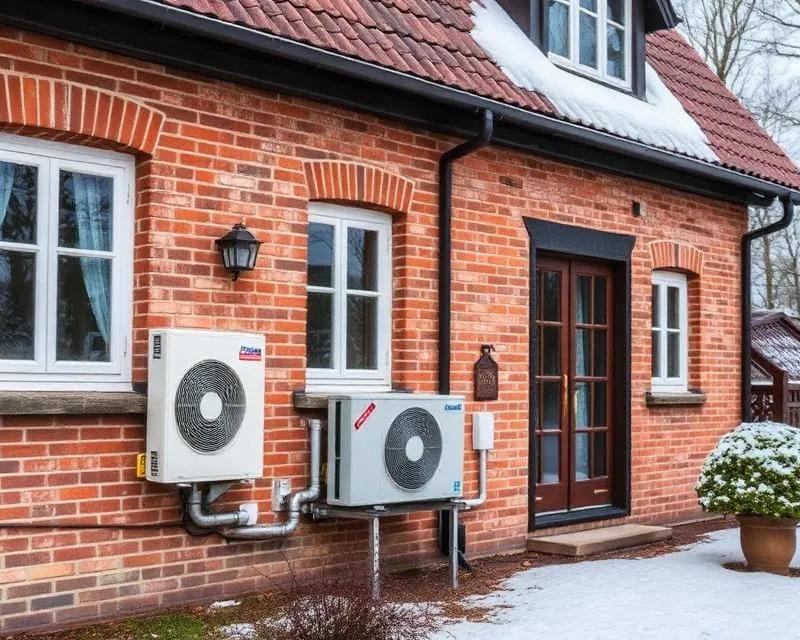
Many people believe that heat pumps only work in new, well-insulated homes. This is a myth — modern air-source heat pumps (monoblock or split type) work excellently with older buildings, provided proper preparation.
The key to success is proper power sizing, potential thermal modernization, and adaptation of the existing heating system. At FNC Poland, we've completed dozens of such projects — from 1960s townhouses to 1990s homes with outdated gas boilers.
Energy Audit — First Step
Before deciding on a heat pump, a building energy audit is essential. It determines:
Typical heat demand for older homes:
| Construction Year | Insulation Status | Demand [kW/100m²] | Supply Temp. |
|---|---|---|---|
| Before 1970 | No insulation | 12-18 kW | 65-80°C |
| 1970-1990 | Partial insulation | 8-14 kW | 55-65°C |
| 1990-2005 | 8-10 cm insulation | 6-10 kW | 45-55°C |
| After 2005 | WT 2008+ standard | 4-7 kW | 35-45°C |
Thermal Modernization — How Much Is Needed?
You don't always need to insulate the entire building. Priority actions:
Even partial thermal modernization (attic + windows) can reduce heat demand by 30-40%, allowing for a smaller (cheaper) heat pump.
Choosing a Heat Pump for an Older Home
For older buildings with panel radiators, the key parameter is maximum supply temperature. Modern air-source heat pumps can operate at:
HT pumps cost 15-25% more but allow operation with existing radiators without replacement.
Radiators and Heat Pumps
Existing radiators can usually be kept, but should be verified:
| Radiator Type | Supply Temp. | HP Compatibility |
|---|---|---|
| Cast iron ribbed | 70-80°C | Poor — require replacement or upsizing |
| Steel panel | 55-65°C | Good — may suffice after insulation |
| Aluminum | 50-60°C | Very good |
| Underfloor heating | 35-45°C | Ideal — highest COP |
The best solution for an older home is a hybrid system: underfloor heating on the ground floor (if being renovated) + upsized radiators on upper floors.
Annual Savings
Heating cost comparison for a 150 m² home after thermal modernization:
| Heat Source | Annual Cost [PLN] | CO₂ Emissions [t/yr] |
|---|---|---|
| Coal boiler | 8,000 - 12,000 | 6-8 |
| Gas boiler | 6,000 - 9,000 | 3-4 |
| Heat pump (COP 3.5) | 2,500 - 4,000 | 1-2 |
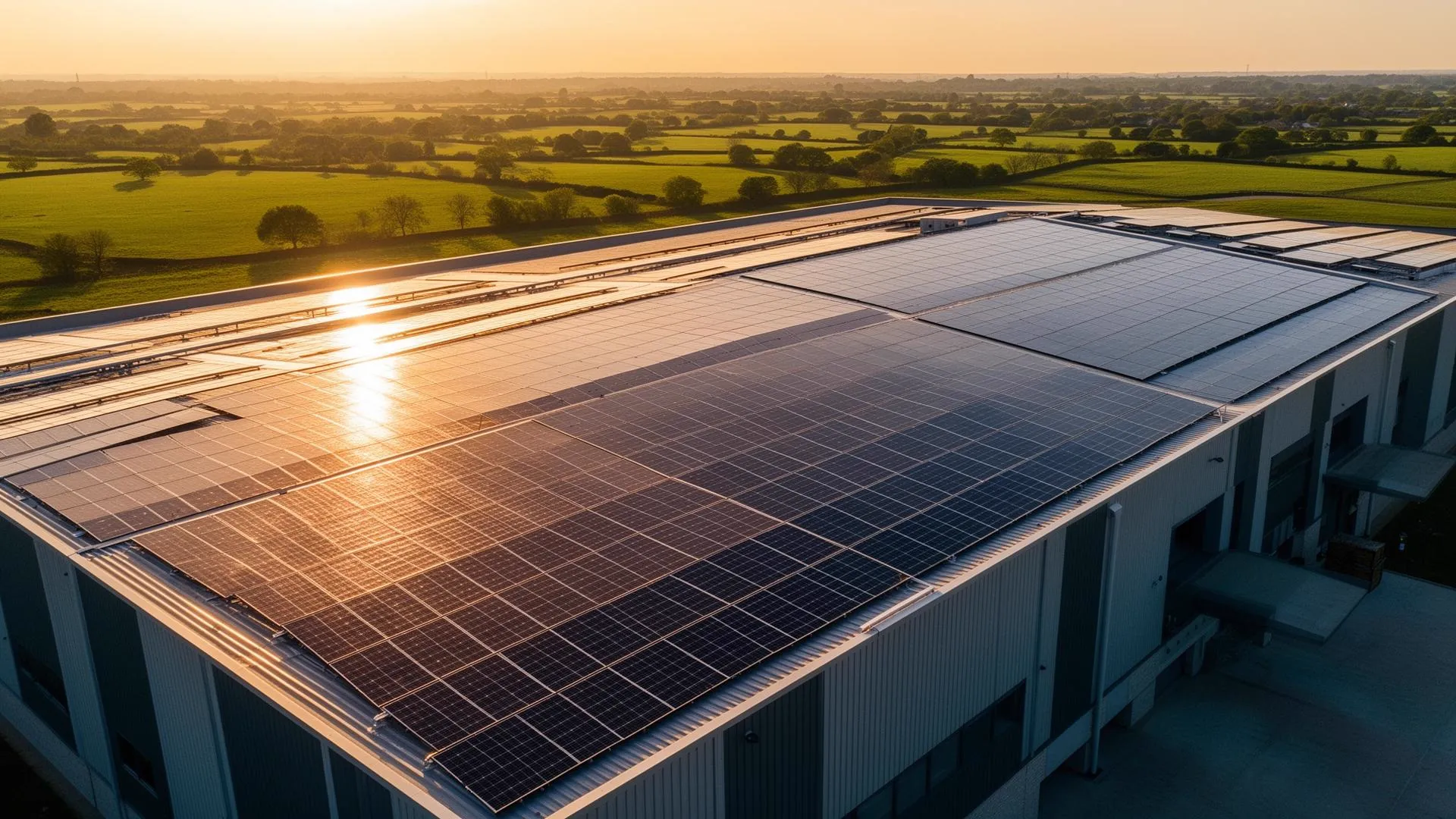
| HP + 5 kWp PV | 500 - 1,500 | ~0 |
Return on investment: 6-10 years (shorter with subsidies and PV).
FNC Poland offers comprehensive service: audit, design, heat pump selection, thermal modernization, and installation — all in one package.