
ESG — Why It Concerns Your Business Too
ESG (Environmental, Social, Governance) is a framework evaluating companies on environmental, social, and corporate governance impact. From 2025, ESG reporting obligations are extending to increasingly smaller companies — under the CSRD directive.
Who Must Report ESG?
| Category | From When | Criteria |
|---|---|---|
| Large listed companies | 2024 | > 500 employees |
| Large companies | 2025 | > 250 employees OR turnover > 40M EUR |
| Listed SMEs | 2026 | Stock exchange listed |
| Value chain SMEs | 2025-2027 | Suppliers of large ESG-reporting companies |
Carbon Footprint — Scope 1, 2, 3
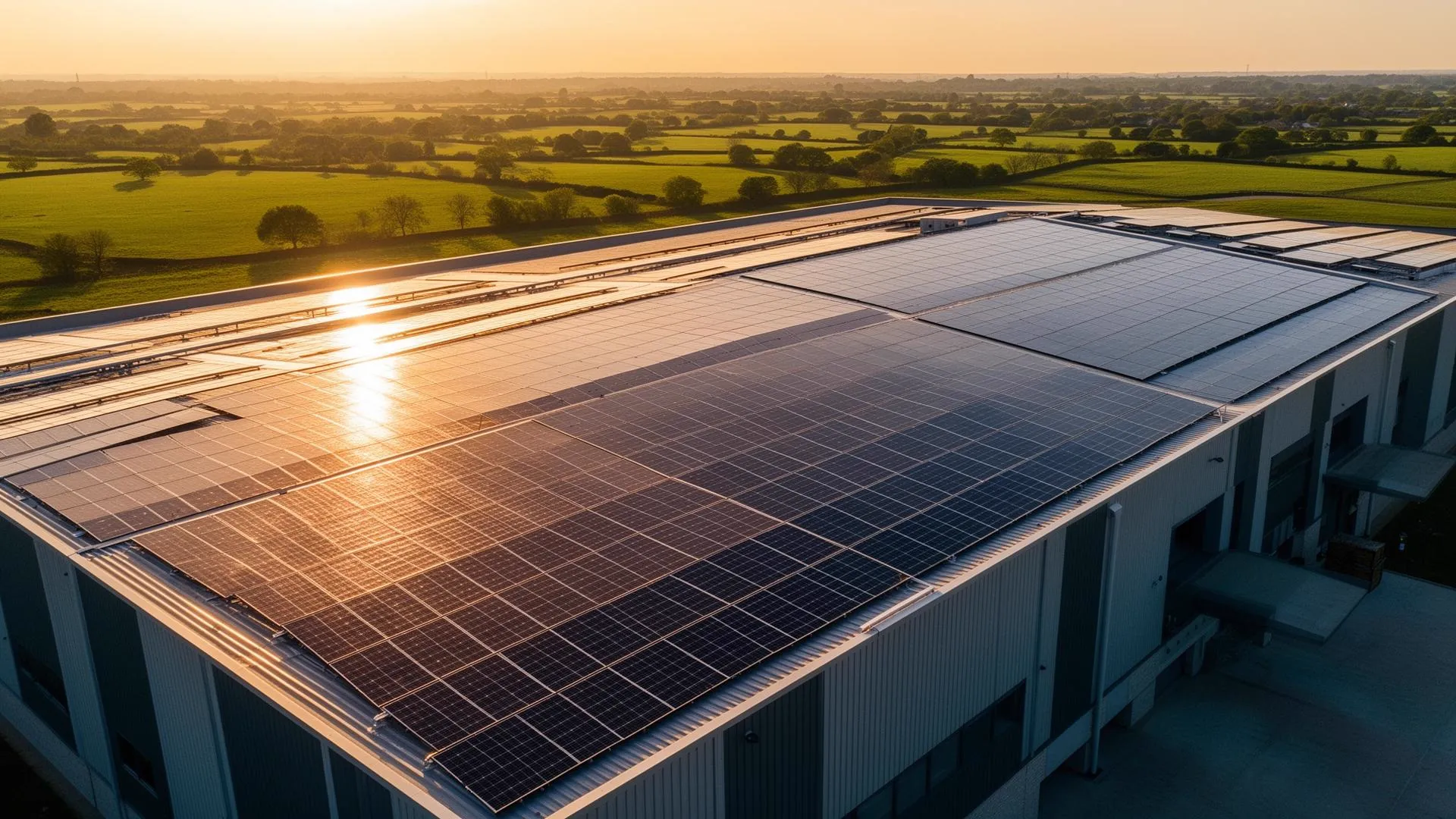
Solar and renewables directly reduce Scope 2 — own renewable energy production means zero emissions per kWh.
Impact of Renewables on ESG Results
A 50 kWp photovoltaic installation produces approximately 50 MWh of energy annually:
| Indicator | Without PV | With 50 kWp PV |
|---|---|---|
| Grid energy consumption | 80 MWh | 30 MWh |
| CO₂ emissions (Scope 2) | 56 t CO₂ | 21 t CO₂ |
| Carbon footprint reduction | — | 62.5% |
| Renewable share in energy | 0% | 62.5% |
FNC Poland helps companies reduce their carbon footprint through comprehensive renewable energy solutions and prepares documentation of installation impact on ESG performance.