Why Decarbonization Is a Necessity, Not a Trend
Decarbonization is no longer optional. EU ETS, CSRD directive, EU taxonomy, ESG requirements from banks and partners — pressure on companies grows every year. But decarbonization is also an opportunity for savings, competitive advantage, and regulatory risk mitigation.
Current SME Situation
| Indicator | Value |
|---|---|
| SME share of industrial CO2 | ~60% |
| Average SME energy use | 100,000 – 500,000 kWh/year |
| Annual energy cost | €18,500 – €93,000 |
| SMEs with decarbonization strategy | < 15% |
Roadmap — 5 Steps
Step 1: Emissions Audit — Calculate carbon footprint across Scope 1 (direct), Scope 2 (energy), and Scope 3 (supply chain).
Step 2: Energy Efficiency — LED lighting (-60-70%), compressor upgrades (-20-30%), thermal insulation (-15-25%), heat recovery, BMS. Total potential: 25-40% energy reduction.
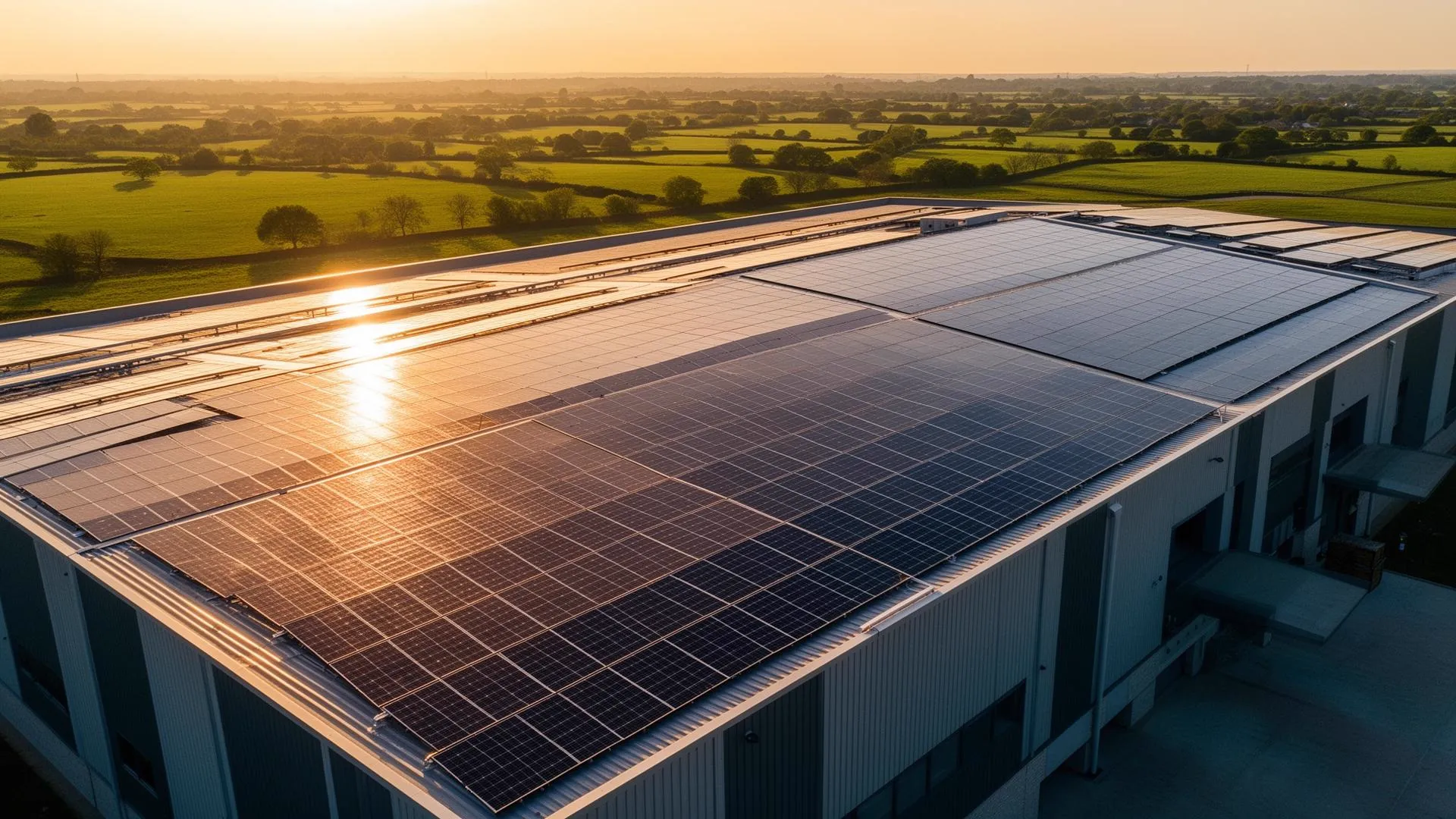
Step 3: Renewable Installation — On-site PV, wind, and storage.
| Solution | CO2 Reduction | Investment | ROI |
|---|---|---|---|
| 50 kWp PV | -35 tons/yr | €42,000 | 5-6 yrs |
| 100 kWp PV + storage | -65 tons/yr | €98,000 | 6-7 yrs |
| PV + wind + storage | -90 tons/yr | €140,000 | 6-8 yrs |
Step 4: Heat Electrification — Replace gas/oil heating with heat pumps. 65-85% heating emission reduction.
Step 5: Transport Electrification — Fleet transition to EVs.
Total Investment Summary
Total: €209,000 investment → €45,000/year savings → 4.6 year ROI (without subsidies), 3 years with subsidies.
ESG Reporting
From 2026, CSRD reporting requirements expand. A decarbonization strategy enables: regulatory compliance, better bank financing, tender advantages, and responsible brand building.
Contact FNC Poland for a free energy audit and decarbonization roadmap.