
Energy Storage — Is It Worth the Investment?
    Back to Blog
    Energy StorageMarch 8, 202614 min

    Energy Storage — Is It Worth the Investment?

    When does energy storage pay off? Cost-benefit analysis and use cases for homes and businesses.

    What is energy storage?

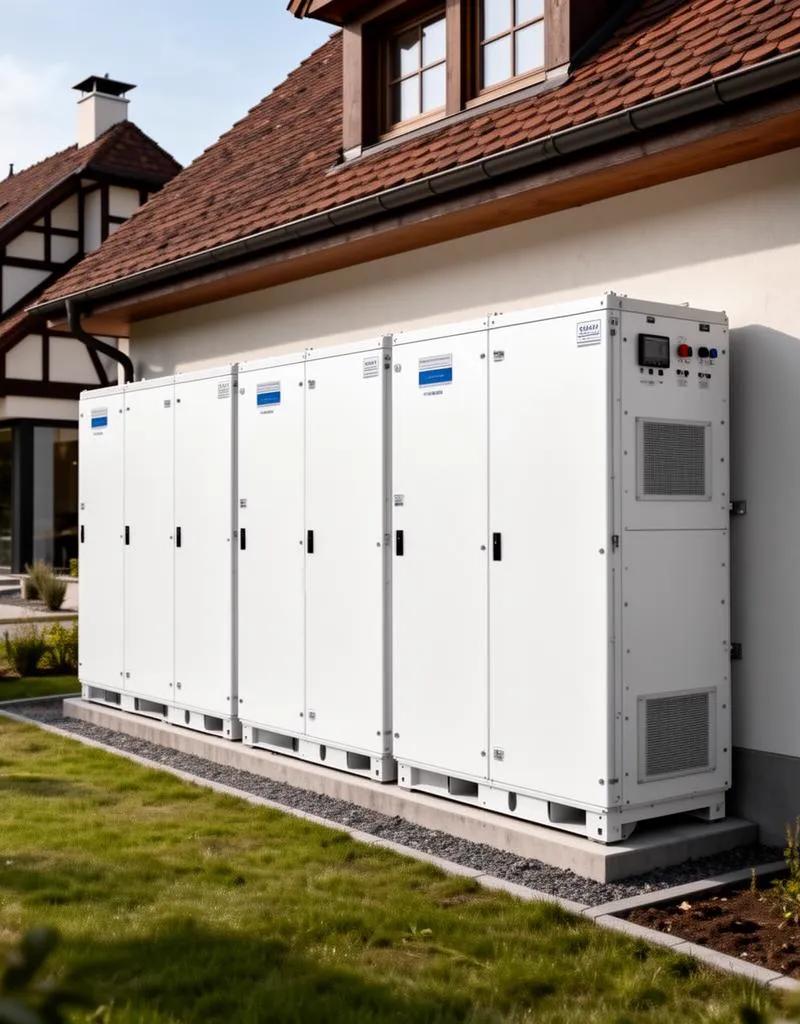
    Energy storage is a battery system that stores surplus energy from solar panels or wind turbines. You can use stored energy in the evening, at night, or on cloudy days. It is a key component of a modern energy system that allows you to maximize the use of produced energy.

    Modern energy storage systems are technologically advanced devices that not only store energy but also intelligently manage its flow. Thanks to built-in BMS (Battery Management System), the storage automatically decides when to charge, when to discharge, and when to switch to backup mode.

    Energy storage technologies

    Two battery technologies dominate the market:

    Lithium-ion batteries (Li-ion)

  1. Highest energy density — compact dimensions
  2. Long lifespan: 6,000-10,000 cycles
  3. Charge/discharge efficiency: 90-95%
  4. Lifetime: 10-15 years
  5. Types: LFP (lithium iron phosphate) — safer, longer lifespan; NMC (nickel-manganese-cobalt) — higher energy density
  6. Lead-acid batteries (AGM/gel)

  7. Significantly cheaper to purchase
  8. Lower lifespan: 1,500-3,000 cycles
  9. Lower efficiency: 80-85%
  10. Require more space
  11. Recommended mainly for lower-budget off-grid systems
  12. When does energy storage pay off?

    Energy storage is particularly worthwhile when:

  13. You have PV and want to maximize self-consumption
  14. You use lots of energy in the evening and at night
  15. You want backup power during grid outages (UPS function)
  16. You plan to charge an electric vehicle with your own energy
  17. You have a dual-rate tariff and want to exploit price differences
  18. You run a business where power interruption means losses
  19. How much does energy storage cost?

    Cost depends on capacity and technology:

    CapacityTechnologyApproximate costCycle count
    5 kWhLFP€4,000 - €5,5006,000+
    10 kWhLFP€6,500 - €9,5006,000+
    15 kWhLFP€9,000 - €12,5006,000+
    20 kWhLFP€11,500 - €16,0006,000+

    Combined with PV, battery payback is faster because you increase self-consumption from 30-40% (without storage) to 70-85% (with storage).

    How to choose the right capacity?

    Capacity selection is key to optimizing your investment:

    1
    Analyze your consumption profilecheck how much energy you use in evening and night hours (typically 30-50% of daily consumption)
    2
    Consider PV productionthe battery should accommodate typical daily surplus energy from panels
    3
    Plan for the futureif you're planning an EV or heat pump, account for additional demand
    4
    Rule of thumbfor a typical home with 5-8 kWp installation, 5-10 kWh storage is optimal

    Energy storage for businesses

    For businesses, energy storage is not only about savings but also about power stability and protection against supply interruptions. Applications include peak shaving, energy arbitrage, backup power, grid stabilization, and EV fleet charging buffering.

    Summary

    Energy storage is an investment that pays off, especially combined with solar. It increases self-consumption, ensures energy security, and reduces bills. Battery prices continue to drop while capacity and lifespan improve. Contact us to find the optimal storage solution for your installation.
    Frequently Asked Questions

    Free Consultation

    Ready to invest in renewable energy?

    Book a free consultation and find out how much you can save.

    500+
    Projects Completed
    8+
    Years of Experience
    4
    Countries of Operation
    300+
    Clients Served

    We respect your privacy

    We use cookies to provide the best service quality. Necessary cookies are always active. You can accept all or only necessary. More in our Privacy Policy.

    Chat closed