Evolution of Prosumer Billing in Poland
Poland underwent a fundamental change in prosumer billing. From generous net-metering (1:0.8/0.7 ratio), through net-billing with RCE pricing, to the current dynamic settlement system.
Net-metering (until March 2022) — How It Worked
The discount system was simple: prosumers fed surplus to the grid and could retrieve 80% (or 70% for larger systems) within a 12-month cycle. The grid acted as a virtual battery.
Net-billing (from April 2022) — Current System
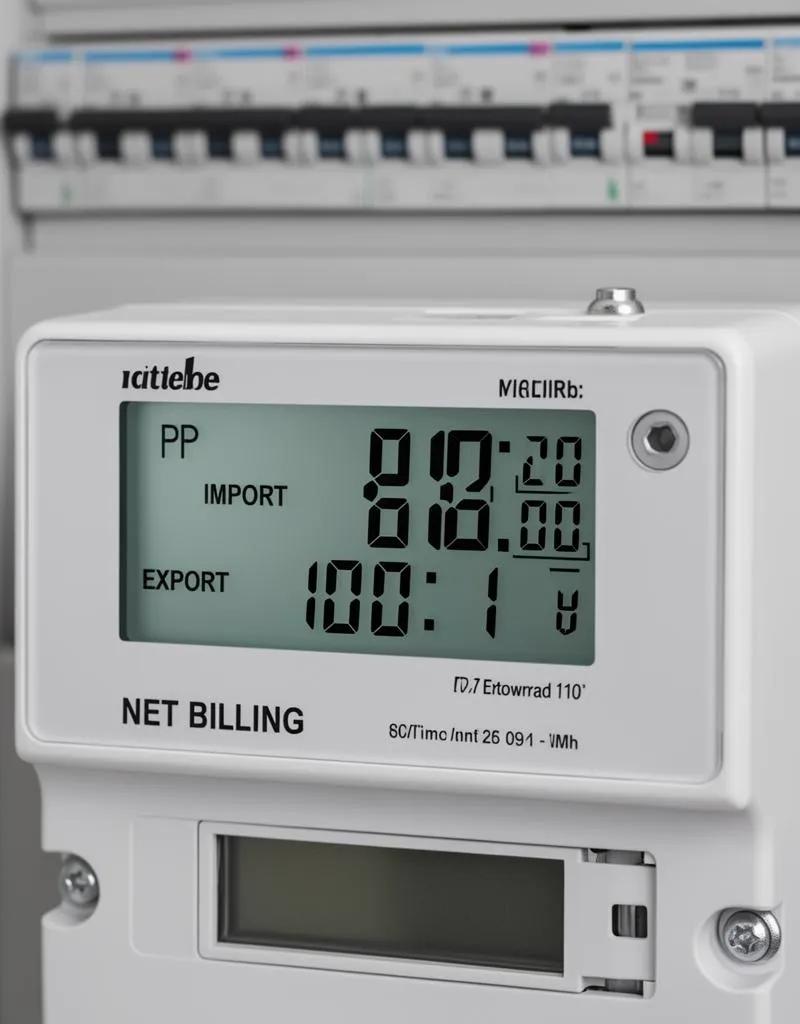
Net-billing changed the rules: surplus is sold at market price (RCE), energy is purchased at retail price (significantly higher).
| Parameter | Net-metering | Net-billing |
|---|---|---|
| Surplus return | 1 kWh → 0.8 kWh back | 1 kWh → RCE value |
| Sale/purchase ratio | 1 : 0.8 | 1 : 0.35-0.55 |
| Distribution fee | NO | YES |
Impact on Profitability
For an 8 kWp installation, 5,000 kWh/year consumption:
| Metric | Net-metering | Net-billing (no storage) | Net-billing (10 kWh storage) |
|---|---|---|---|
| Self-consumption | N/A (0.8 return) | 30-35% | 70-80% |
| Annual savings | €980 | €650 | €930 |
| ROI (with subsidy) | 4 years | 6.5 years | 6 years |
Strategy for Prosumers in 2026
Key is maximizing self-consumption: battery storage (30% → 70-80%), load shifting (run appliances 10:00-15:00), heat pump instead of gas, HEMS for automatic optimization.
Is Net-billing Worth It?
YES, but requires different approach: properly sized installation, battery storage almost essential, heat pump + PV + storage = best combination. Well-designed system saves €800-€1,280/year.
FNC Poland designs installations optimized for net-billing — considering consumption profile, tariff, and available subsidies.