Energy Communities — A New Energy Market Model
Energy communities are one of the most important innovations in the energy sector. The EU RED II directive has paved the way for energy clusters, cooperatives, and citizen energy communities.
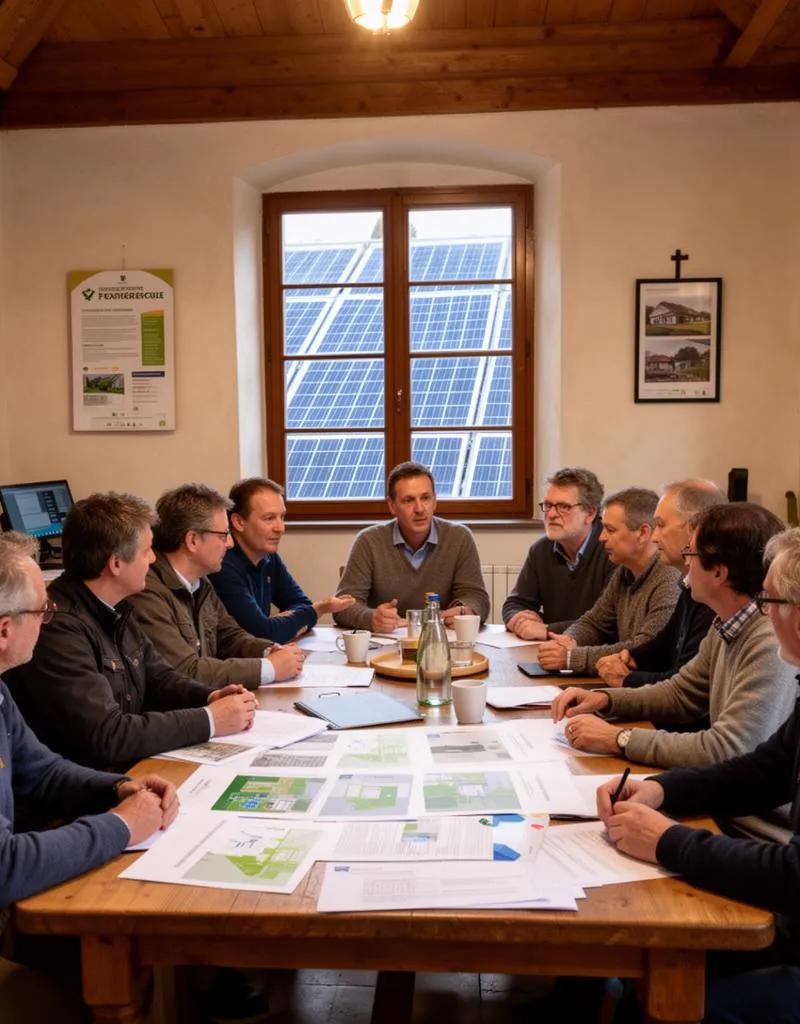
The idea is simple: residents, businesses, and local governments join forces to collectively produce, store, and share renewable energy.
Types of Energy Communities
| Type | Legal basis | Participants | Scope |
|---|---|---|---|
| Energy cluster | RES Act | Companies, governments, individuals | County / 5 municipalities |
| Energy cooperative | Cooperative law + RES Act | Min. 10 individuals or 3 legal entities | Municipality |
| Citizen energy community | RED II Directive | Individuals, SMEs, governments | No territorial limits |
Benefits for Participants
For residents: Lower energy prices (15-30% cheaper), independence from wholesale market fluctuations, share in production profits, energy security.
For municipalities: Local economic development, lower energy costs for public buildings, climate goal achievement, revenue from community participation.
For businesses: Stable long-term energy prices, green image (ESG), ability to sell surplus to other members.
How to Establish an Energy Cluster
The process involves: finding partners, energy audit, technical concept, legal formation, cluster agreement, registration with the energy regulatory authority, and infrastructure construction.
Case Study — Municipal Cluster
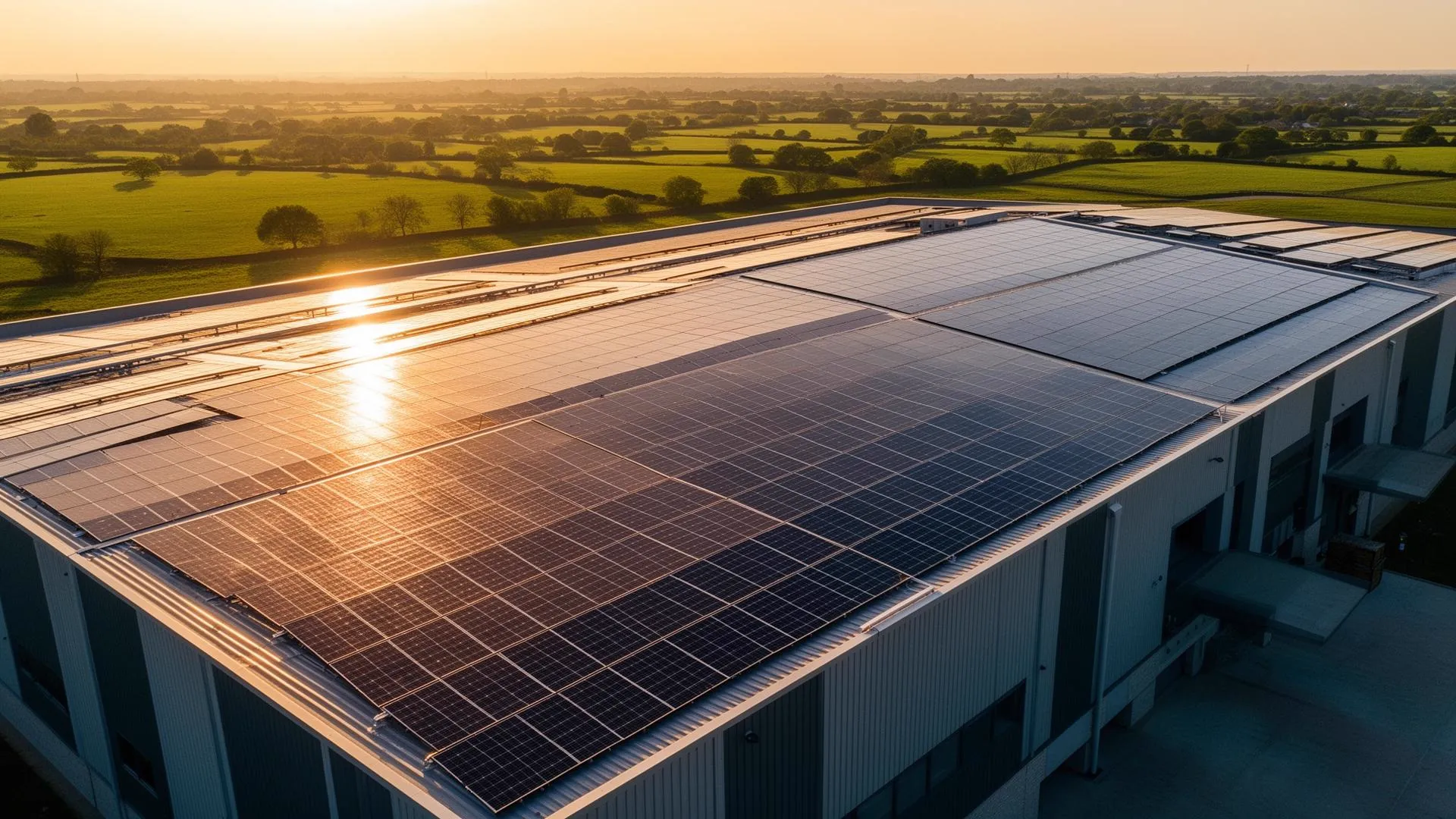
Municipality X (12,000 residents): 2 MWp PV farm, 3 x 100 kW wind turbines, 500 kWh storage, PV on 150 homes. Results: 85% local energy production, 25% lower energy prices, 45 new jobs, 4,200 tons CO2 reduction annually.
Financing
Available: Modernization Fund (up to 70%), Energy Plus program, EU funds, energy crowdfunding, public-private partnerships.
FNC Poland helps communities at every stage — from concept, through technical design, to construction and launch.