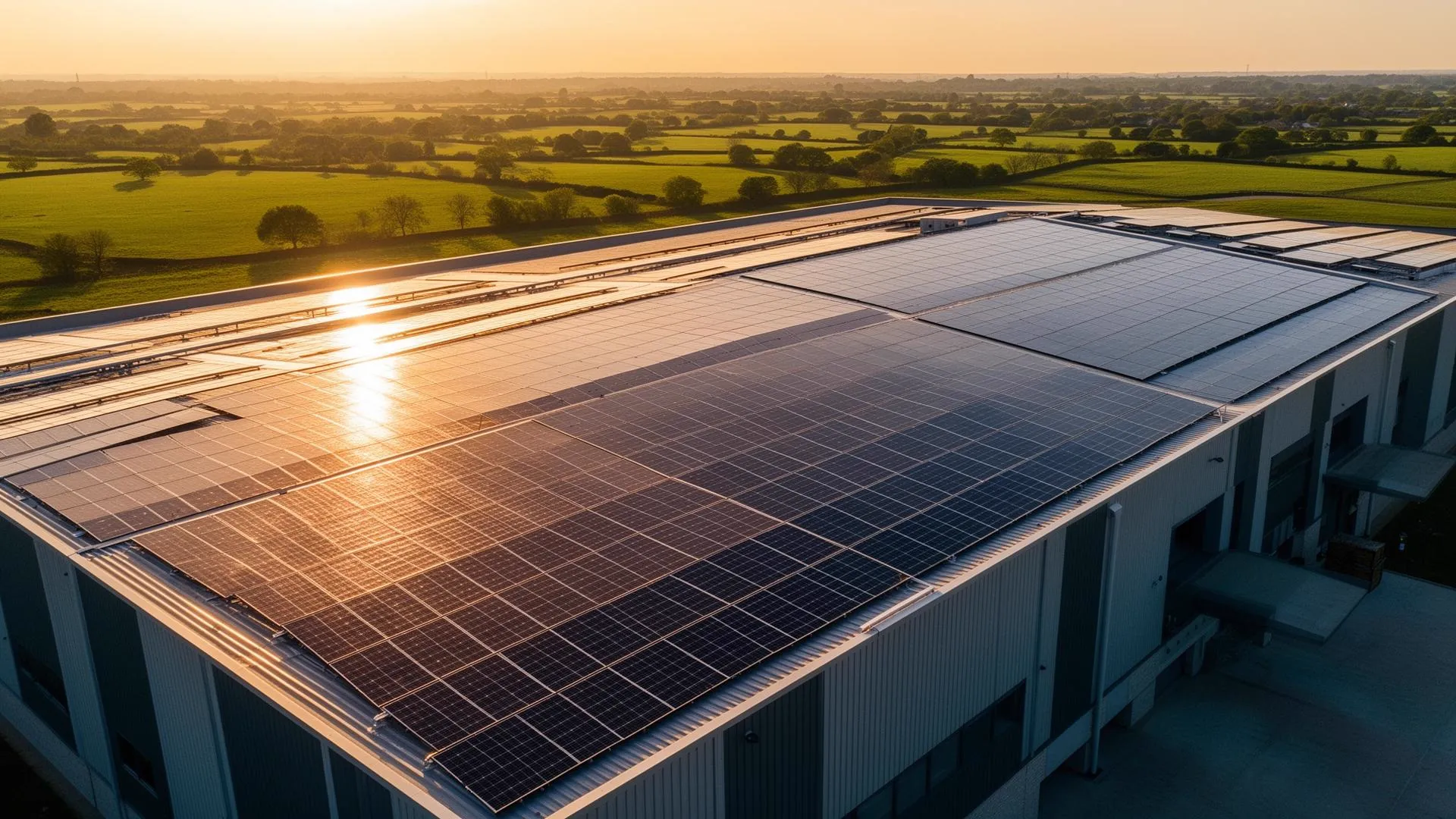

The second half of 2026 is a period when it's easy to lose track of RES grants in Poland. Some programs that were on every investor's lips a while ago no longer exist. Others have narrow, few-days-long application windows in which a complete application must be filed. This article sets out the situation as of August 2026 and shows how to plan the coming months so as not to miss the right deadline.
What no longer exists — and what you shouldn't count on
Before going through active programs, it must be stated clearly what has disappeared from the support map:
Real support in the second half of 2026 rests on six pillars: Moje Ciepło, Home Energy Storage Systems (RRF), Energy for Rural Areas, the FENG eco-credit, the PIT thermomodernization tax relief, and municipal programs, plus the ARiMR I.10.2 call for farmers.
Program overview — for whom, how much, current status
Moje Ciepło
For owners of new single-family houses installing a heat pump. The grant reaches PLN 21,000 for a ground-source pump and PLN 7,000 for an air-source pump, and Large Family Card holders can receive up to 45% of eligible costs. The program budget is PLN 600 million, and applications are accepted until 31.12.2026 or until the budget is exhausted — the later you apply, the greater the risk the funds run out. What to do now: complete the house's building documentation, obtain an offer for a heat pump with specific power and efficiency class, and submit the application before autumn, before the budget starts shrinking.
Home Energy Storage Systems (RRF)
Aimed at prosumers with a 2–20 kW PV micro-installation. Grant up to PLN 28,000 (or PLN 22,000 if a PV grant was received earlier), covering up to 50% of eligible costs. Requirement: an energy storage unit of at least 2 kWh or a heat storage unit of at least 20 dm³. The 2026 allocation is PLN 335 million. The second call ran from 8.06.2026 (9:00) to 19.06.2026 (20:00) — just 11 days, and the budget in such calls can be exhausted within hours of opening. As of August 2026 the call is closed, but the program's history shows regular, short windows — you need to watch NFOŚiGW announcements and have your application ready "at the click" to make the next round.
Energy for Rural Areas
For farmers and energy cooperatives, covering PV, wind turbines up to 1 MW, biogas plants, small hydro plants and storage. Support forms: a grant up to PLN 20 million or a loan up to PLN 25 million, with flat rates of PLN 3,940/kW for PV and PLN 2,250/kWh for storage. The 2026 budget is PLN 1 billion. Call dates are announced by NFOŚiGW — as of August 2026, it's worth checking announcements regularly, as this is the key funding source this year for larger agricultural installations and energy cooperatives. What to do now: prepare a technical project and business plan, since there usually isn't enough time to compile documentation between a call's announcement and its closing.
FENG eco-credit (BGK)
For SMEs and small mid-caps, with an ecological premium of 15–80% of investment costs. The fourth call ended on 8.01.2026, with the decision made in May 2026. As of August 2026 there is no open call — a next edition is planned but without a confirmed date. What to do now: companies planning large investments (industrial PV, energy storage, energy modernization of buildings) should prepare investment documentation in advance to be ready the moment the next call is announced.
PIT thermomodernization tax relief
Not a grant, but an income deduction — up to PLN 53,000 per person or PLN 106,000 for a jointly-filing married couple. Covers PV, heat pumps, energy storage and thermomodernization works, provided VAT invoices exist and the investment is completed within 3 years. Important 2026 change: gas and oil boilers have been excluded from the relief. What to do now: collect and archive VAT invoices on an ongoing basis — the relief is settled in the annual tax return for the year the expenses were incurred.
Regional and municipal programs
Support depends on your city — for example Gdańsk offers up to PLN 10,000, Kraków up to PLN 8,000, and Poznań up to PLN 6,000 for residents' RES installations. Municipal budgets are usually much smaller than national ones and run out quickly. What to do now: check your city or municipality's website — many calls are announced with little advance notice, on a first-come, first-served basis.
ARiMR I.10.2 (RRF/CAP Strategic Plan) — autumn call
For farmers only, offering a grant up to 65% of costs for PV with energy storage. Wind turbines and land classes I–IV are excluded. The autumn call will run from 5.10.2026 to 3.11.2026 — almost a month, but experience from previous ARiMR calls shows that the completeness of the application (including a ready offer with a cost breakdown) determines processing order. What to do now (August–September 2026): commission an energy consumption audit on the farm, obtain a technical offer with a specific installation capacity and storage capacity, and check the land class in the land register.
Summary table — status as of August 2026
| Program | For whom | Amount / form | Status VIII.2026 | What to do now |
|---|---|---|---|---|
| Moje Ciepło | New single-family houses, heat pumps | up to PLN 21,000 (ground) / 7,000 (air); up to 45% with Large Family Card | Open, until 31.12.2026 or budget of PLN 600m exhausted | Complete house documentation and heat pump offer, apply as soon as possible |
| Home Energy Storage (RRF) | Prosumers with 2–20 kW PV | up to PLN 28,000 (or 22,000), up to 50% of costs | Closed (last call 8–19.06.2026), next unknown | Prepare full documentation, watch NFOŚiGW announcements |
| Energy for Rural Areas | Farmers, energy cooperatives | grant up to PLN 20m / loan up to PLN 25m | Budget PLN 1bn for 2026, dates announced by NFOŚiGW | Prepare technical project and business plan |
| FENG eco-credit | SMEs, small mid-caps | premium 15–80% of costs | No open call (4th ended 8.01.2026) | Prepare investment documentation in advance |
| PIT thermomodernization relief | Individuals | deduction up to PLN 53,000 / 106,000 (married couple) | Active, gas/oil boilers excluded since 2026 | Collect VAT invoices, mind the 3-year rule |
| Municipal programs | Residents of selected cities | e.g. up to PLN 10,000 (Gdańsk), 8,000 (Kraków), 6,000 (Poznań) | Depends on the municipality, limited budgets | Check city hall's website, watch for calls |
| ARiMR I.10.2 | Farmers (PV + storage) | grant up to 65% of costs | Call 5.10–3.11.2026 | Consumption audit, technical offer, check land class |
Action sequence — a realistic step-by-step timeline
Regardless of the program, the path from decision to grant settlement looks similar. It's worth knowing the realistic duration of each stage to plan ahead:
Overall, from first contact with an auditor to grant payout, a realistic timeframe is 4–9 months, depending on the program and connection stage. So if you're considering the ARiMR autumn call, the audit and offer should be ready by September at the latest.
Common mistakes that lead to rejection
Calendar August–December 2026
| Month | What's happening |
|---|---|
| August | Moje Ciepło and PIT relief — active continuously; preparing documentation for the ARiMR I.10.2 call; watching for announcements of the next RRF storage and FENG calls |
| September | Last moment to complete the technical offer and audit before the ARiMR call; check land class in the land register |
| October | 5.10.2026 — ARiMR I.10.2 call opens; possible announcement of the next Energy for Rural Areas call |
| November | 3.11.2026 — ARiMR I.10.2 call closes; monitoring the Moje Ciepło budget (risk of the PLN 600m pool running out) |
| December | Approaching deadline of 31.12.2026 for Moje Ciepło; summarizing 2026 expenses for the PIT thermomodernization relief in the annual return |
Summary
Autumn 2026 revolves around one major deadline for farmers (ARiMR I.10.2) and the continuation of year-round programs (Moje Ciepło, PIT relief). Short, unpredictable application windows in the storage program and Energy for Rural Areas require constant documentation readiness rather than reacting after the fact. If you're planning an investment in PV, energy storage or a heat pump, check the available financing options at /en/financing and estimate the cost of your own installation with the /en/calculator — the first step towards an offer ready the moment a call opens.