
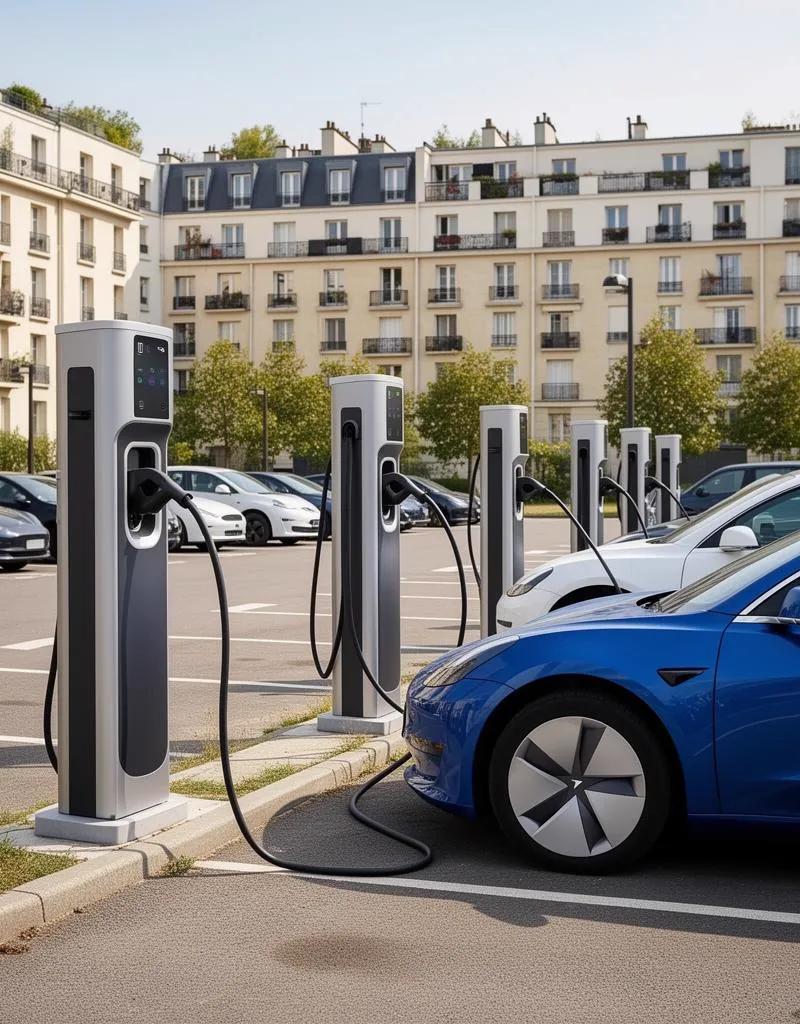
EV Chargers for Businesses & Residential Complexes — 2026 Guide
    Back to Blog
    EV ChargersMarch 28, 202616 min

    EV Chargers for Businesses & Residential Complexes — 2026 Guide

    How to plan EV charging infrastructure? Charger types, installation costs, regulations and business models.

    The EV Revolution in Poland

    The electric vehicle market in Poland is growing at over 40% annually. By the end of 2025, more than 120,000 fully electric cars (BEV) and over 180,000 plug-in hybrids (PHEV) were driving on Polish roads. This dynamic growth means increasing demand for charging infrastructure — both public and private.

    For businesses and residential complexes, installing EV chargers is not just a response to employee and resident needs, but a concrete investment that can generate revenue, increase property value, and build an eco-friendly image.

    Charger Types — AC vs DC

    The basic division is between AC (alternating current) and DC (direct current) chargers. Each type has different applications and price points.

    ParameterAC (Wallbox)DC (Fast)
    Power3.7 – 22 kW50 – 350 kW
    Charging time (0-80%)2 – 8 h15 – 45 min
    Device cost€700 – €2,800€35,000 – €140,000
    Installation cost€500 – €1,800€12,000 – €46,000
    ApplicationHome, office, parkingPublic stations, highways

    AC chargers (Level 2) are the most popular solution for businesses and residential areas. An 11 kW or 22 kW wallbox mounted in a parking lot allows employees or residents to charge their car during a workday or overnight.

    DC chargers are much more expensive but offer ultra-fast charging. They're mainly used at public stations, shopping centers, and along highways.

    Planning Charging Infrastructure

    Proper infrastructure planning requires analyzing several key aspects:

    1
    Demand analysishow many vehicles will charge simultaneously? Surveys among employees/residents help estimate real needs.
    2
    Power capacity assessmentexisting electrical connections may not suffice. An electrical audit will indicate whether upgrades are necessary.
    3
    Dynamic load managementintelligent systems distribute available power among chargers, avoiding overloads. OCPP protocol enables central control and monitoring.
    4
    Parking preparationcabling, protections, space markings. It's worth preparing cable infrastructure for future expansion (cable-ready).
    5
    Billing model selectionfree charging for employees, paid stations with apps, monthly subscription, or RFID cards.

    Legal Requirements

    Since 2025, updated regulations regarding charging infrastructure apply in Poland:

  1. New buildings — non-residential buildings with more than 10 parking spaces must have at least 1 charging point and conduit infrastructure for at least 20% of spaces.
  2. Residential buildings — new buildings with more than 10 spaces require conduit infrastructure to every space.
  3. Existing buildings — requirements phase in gradually, with full compliance by 2027.
  4. Business Models for EV Charging

    EV chargers can be a revenue source, not just a cost:

  5. Amenity model — free charging as an employee benefit or customer attraction
  6. Paid model — charging with margin, billed per kWh or per session. ROI of 3-5 years with proper pricing.
  7. Subscription model — fixed monthly fee for charger access. Popular in residential complexes.
  8. Advertising model — charger with advertising screen, ad revenue covers energy costs.
  9. Integration with Photovoltaics

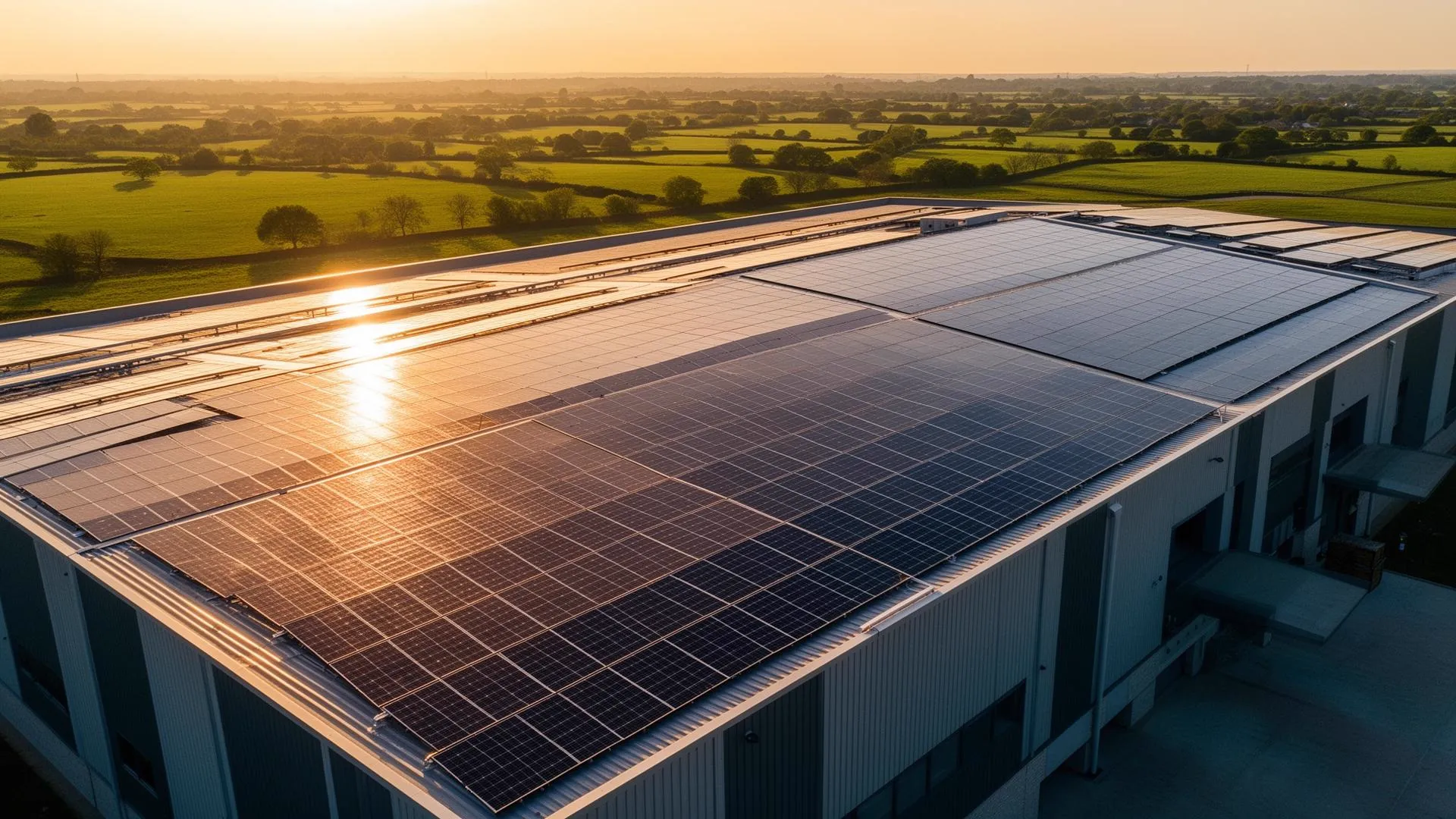
    Combining EV chargers with a photovoltaic installation is the ideal model:

  10. Solar energy powers cars — charging cost drops to virtually zero
  11. PV surplus is consumed locally instead of being fed to the grid at low prices
  12. Self-consumption increases, improving PV installation economics
  13. ScenarioCharging cost/100 kmAnnual savings
    Grid charging€2.80 – €3.50
    PV charging (no storage)€0.50 – €0.90€500 – €800
    PV + storage charging€0.25 – €0.70€600 – €950

    Subsidies for EV Chargers

    Several support programs are available in 2026 for EV infrastructure.

    Future of EV Charging

    Technologies that will change the market: V2G (Vehicle-to-Grid), wireless induction charging, Megawatt Charging System for electric trucks, and AI-optimized fleet charging management.

    FNC Poland offers comprehensive service: from electrical audit, through charger selection, to installation and management system setup.
    Frequently Asked Questions

    Free Consultation

    Ready to invest in renewable energy?

    Book a free consultation and find out how much you can save.

    500+
    Projects Completed
    8+
    Years of Experience
    4
    Countries of Operation
    300+
    Clients Served

    We respect your privacy

    We use cookies to provide the best service quality. Necessary cookies are always active. You can accept all or only necessary. More in our Privacy Policy.

    Chat closed