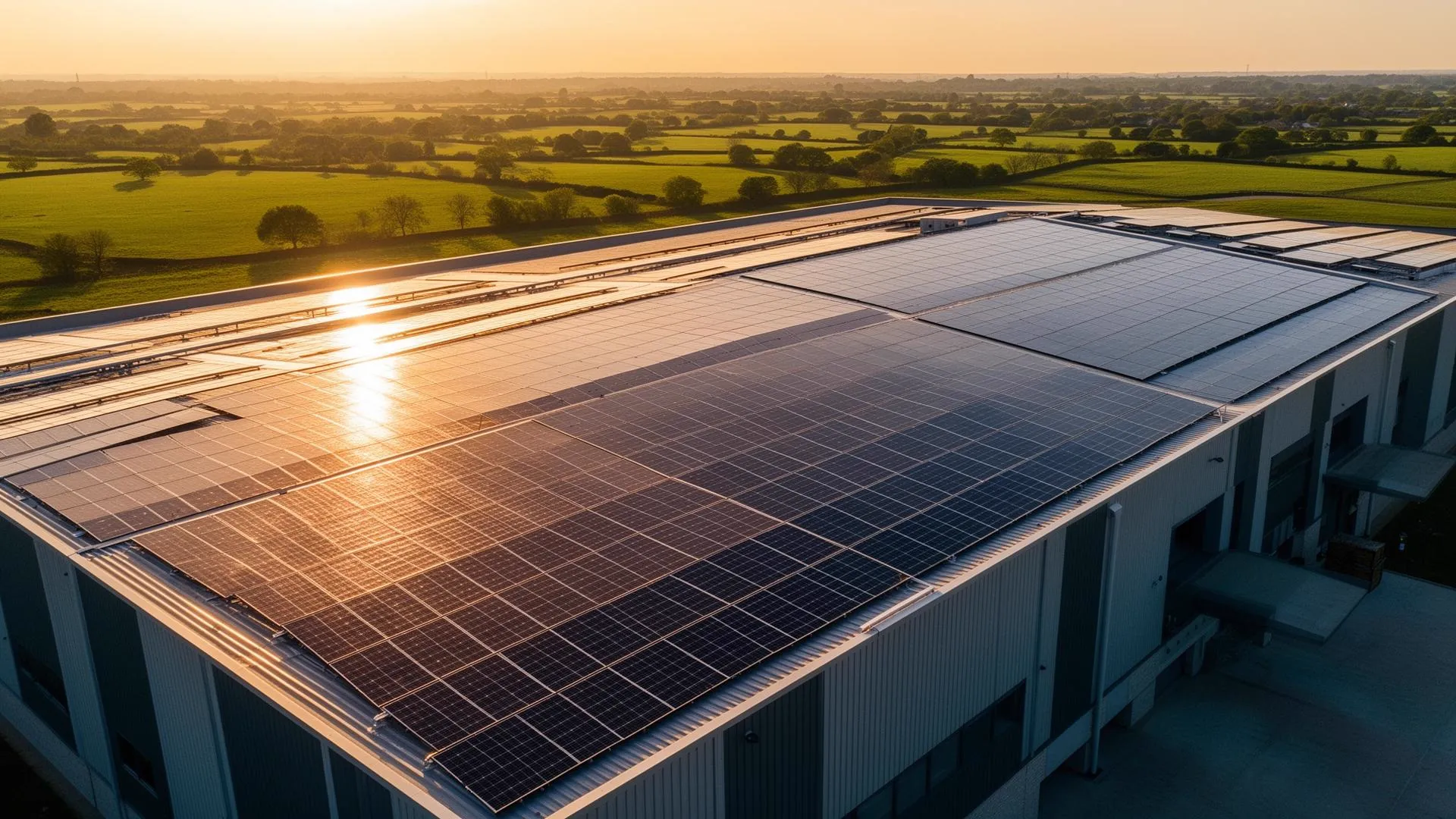
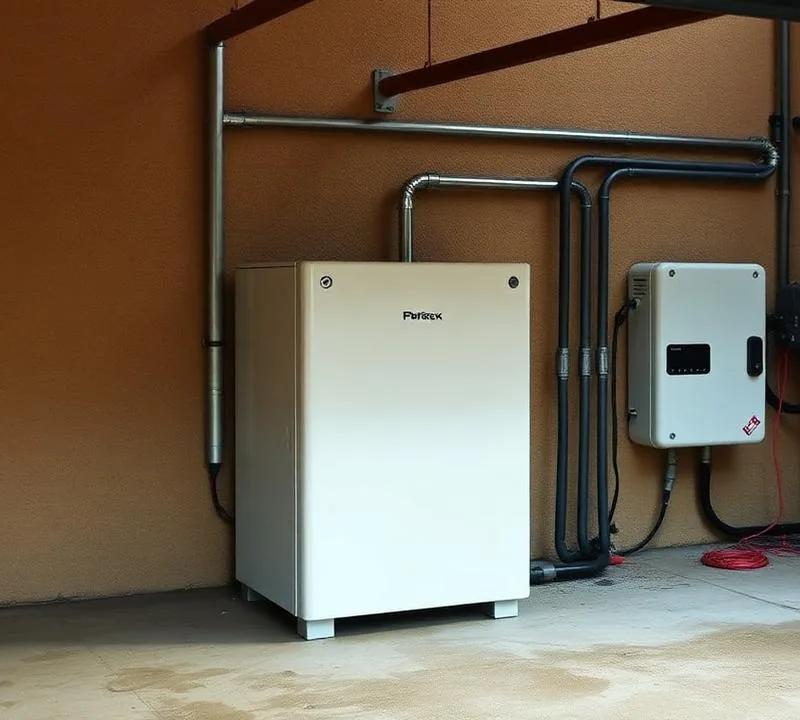
The Home Energy Storage Subsidy, financed under Poland's National Recovery Plan (KPO), is currently one of the few genuinely active support schemes for prosumers who want to increase self-consumption from their own PV installation. The catch is that application windows can last just a dozen or so days, and applications are processed on a first-come, first-served basis until the budget runs out. Anyone unprepared when the call opens usually misses out entirely — regardless of how well designed their installation is.
By July 2026, the second call of the programme has already been settled, and many prosumers are asking themselves whether it's worth waiting for the next edition, or better to finance a storage unit from other sources now. The answer depends on how much of a priority a fast investment is for a given household. This article walks through who can apply, how much you can realistically receive, and how to prepare so you don't miss the next application window.
Who can apply
The programme targets individuals who are prosumers already owning a PV micro-installation with capacity between 2 and 20 kW, connected to the grid and settled under the net-billing scheme. The storage unit can be installed together with a new PV system or added to an existing one. It doesn't matter whether the PV installation was built a year ago or is only being planned — what counts is capacity in the 2–20 kW range and the correct settlement system.
It's worth noting the programme isn't aimed at companies or farmers running a business within the meaning of state-aid rules — it's support mainly for households. Farmers planning larger installations with storage should instead consider the Energia dla Wsi programme, which offers support at a completely different scale, covering PV, wind turbines up to 1 MW, biogas plants and small hydropower.
How much you can get
| Parameter | Value |
|---|---|
| Maximum grant (no prior PV subsidy) | PLN 28,000 |
| Maximum grant (if PV was previously subsidised) | PLN 22,000 |
| Maximum funding level | up to 50% of eligible costs |
| Programme allocation | PLN 335 million |
Important detail: if your PV installation previously received funding from any programme (regional, municipal or national), the storage grant limit drops from PLN 28,000 to PLN 22,000. It doesn't matter which programme was used — only the fact that PV support was received matters. This applies even to people who once used programmes that are no longer active — prior support still lowers the limit, regardless of whether that programme still runs today.
The subsidy covers a maximum of 50% of eligible costs, meaning you must finance at least half of the investment yourself. For a 10 kWh storage unit, which can cost between PLN 25,000 and 45,000 depending on technology and manufacturer, the grant meaningfully reduces your own expense but doesn't eliminate the need for own funds or a loan.
Technical requirements
To qualify, the storage unit must meet minimum parameters:
These requirements aren't a box-ticking formality — they're real criteria verified at the settlement stage. A storage unit without islanding capability, even if it meets the capacity threshold, won't qualify. That's why, already at the stage of choosing equipment and a contractor, it's worth demanding written confirmation of compliance with the programme's specification.
Application history — why speed matters
The second call ran from 8 June 2026, 9:00 AM, to 19 June 2026, 8:00 PM — under twelve days. With strong demand and a limited PLN 335 million allocation, the budget can run out well before the formal deadline, since applications are processed chronologically. In practice, anyone who starts gathering documents only after the call opens usually misses their chance.
Experience from previous calls shows a clear pattern: the first days after a call opens account for the vast majority of applications submitted. People who prepared in advance — with a ready contractor quote, a verified account and a completed draft application — have a real advantage over those who only start looking for a contractor once the deadline is announced.
Checklist: what to prepare before the call opens
It's also good practice to monitor NFOŚiGW announcements a few weeks in advance — notices about the next call date usually appear ahead of time, giving extra room to finalise preparations.
Common mistakes
What if the call has already closed
If you happen to be between calls, that doesn't mean the investment has to wait. A storage unit can be financed right away with a loan or instalments, and the grant application submitted in the next edition — as long as technical requirements are met and cost documentation is kept. In many cases, installing the storage sooner and increasing self-consumption from your own PV brings measurable bill savings from the first month, regardless of whether a grant is later obtained.
Summary
The KPO storage grant can genuinely cut investment costs by ten to nearly thirty thousand złoty, but it requires preparation in advance, not reaction after the fact. If you're planning to install a storage unit, order your energy storage with a quote ready to attach to your application, and check the available options for financing your own contribution on the financing page. You can also use the calculator to estimate the real investment cost and potential savings before starting the paperwork.