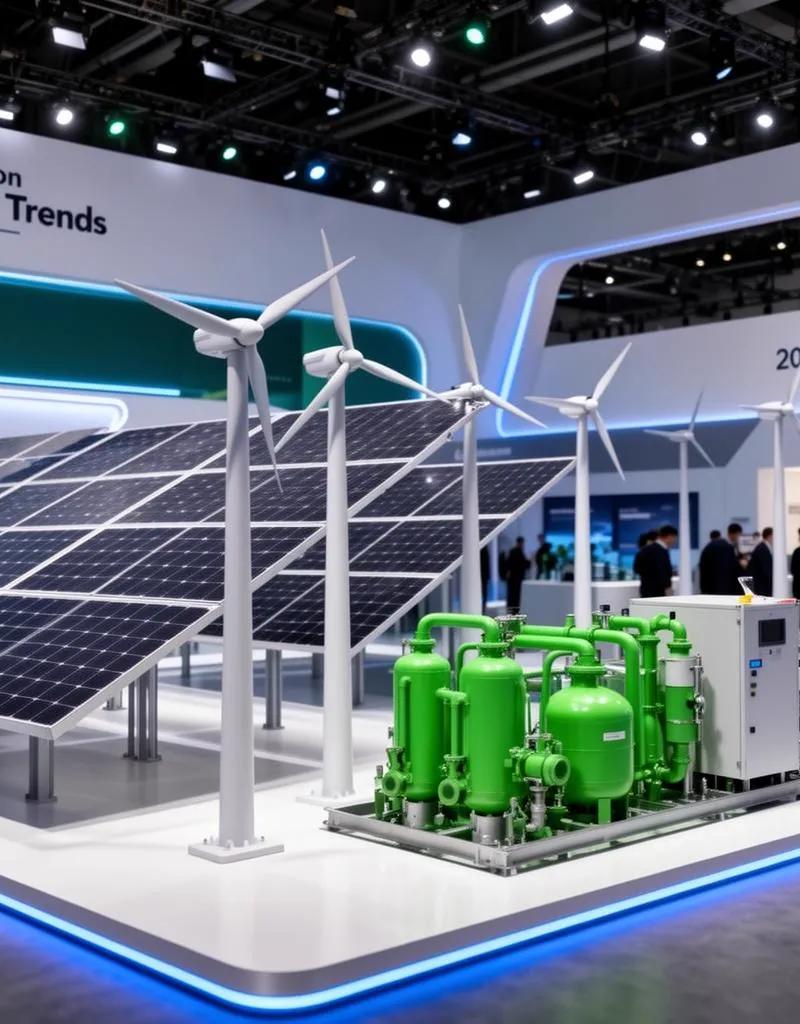
State of Renewable Energy at the Start of 2026
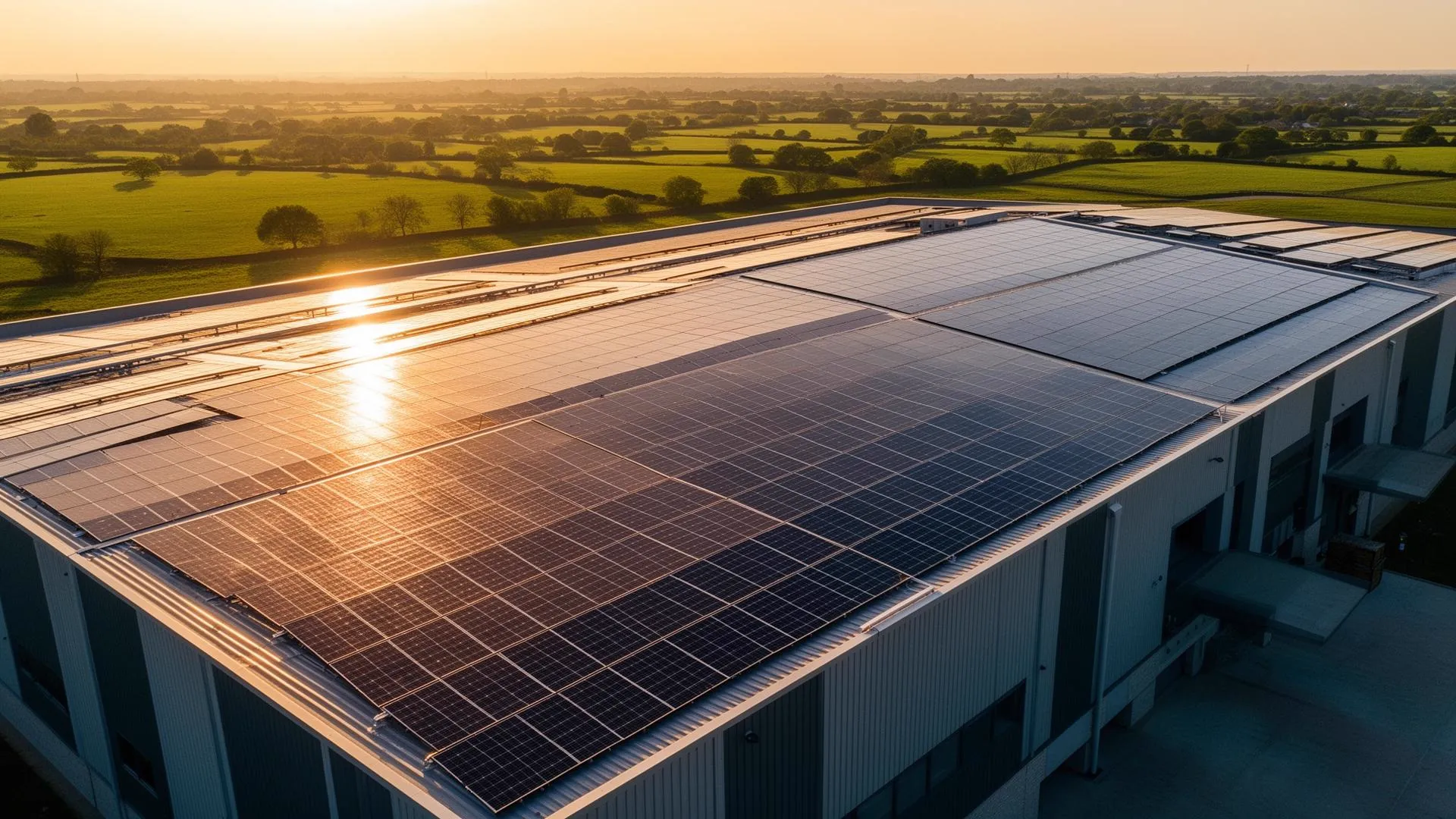
2025 was a breakthrough year. For the first time, renewables generated more electricity than fossil fuels in the EU. Poland's total PV capacity exceeded 25 GW, with 15+ GW of Baltic offshore wind planned.
1. Perovskite Solar Panels
Perovskites may supplement or replace traditional silicon panels. Lab efficiency: 33.9% for tandem cells. Cheaper production (printing vs furnace), lighter panels, flexible forms. First commercial panels from Oxford PV and Poland's Saule Technologies arrived in 2025.
2. Offshore Wind — Baltic Energy
Poland plans 5.9 GW offshore by 2030. One 15 MW turbine = power for 18,000 homes. Capacity factor: 45-55% (vs 25-30% onshore).
3. Green Hydrogen
Hydrogen from RES-powered electrolysis for heavy industry and transport. Poland's Hydrogen Strategy: 2 GW electrolyzers by 2030.
4. Vehicle-to-Grid (V2G)
EVs as mobile energy storage. Potential revenue: €115-465/year per EV owner. With 10M EVs in Europe by 2030, V2G creates a virtual storage of 500-1,000 GWh.
5. AI in Energy Management
AI transforms energy: 95-98% production forecasting accuracy, smart grid balancing, predictive maintenance, Virtual Power Plants, HEMS optimization.
6. Next-Gen Batteries
Solid-state (2x density, fire-safe), sodium-ion (cheap, lithium-free), iron-air (ultra-low cost long-duration), gravitational storage.
7. Energy Communities 2.0
Dynamic energy sharing clusters, peer-to-peer energy trading, hourly dynamic tariffs, automated HEMS response.
FNC Poland tracks all trends and recommends solutions that are future-proof and profitable today.